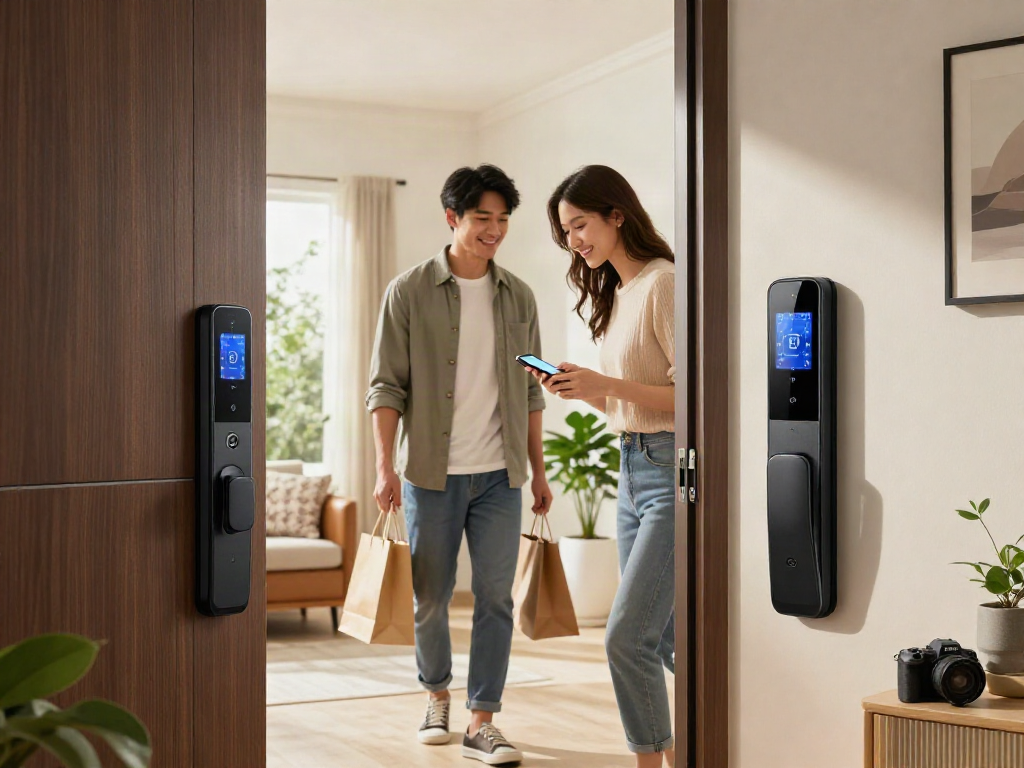
Understanding Smart Locks: A Modern Solution for Home Security
In a world where technology is evolving at a breakneck pace, security solutions are not left behind. Smart locks have emerged as a groundbreaking innovation in home security, offering convenience, monitoring, and versatile access methods that traditional locks simply cannot match. This article will delve deep into the intricacies of smart locks, guiding you through their benefits, how to choose the appropriate lock for your home, and essential tips for installation and maintenance. When exploring options, خرید قفل هوشمند provides comprehensive insights into the latest models and technologies available today.
What is a Smart Lock?
A smart lock is an electronic locking device that can be controlled remotely via smartphone, tablet, or key fob. Unlike traditional locks that require physical keys, smart locks use various technologies such as Bluetooth, Wi-Fi, or Z-Wave to grant access. Users can manage entry points to their homes through mobile apps, enabling them to unlock doors, create virtual keys, and monitor access remotely. This technology has redefined home security, elevating it to a level of sophistication that meets modern safety needs.
Benefits of Using Smart Locks
Smart locks come with an array of advantages that make them appealing for homeowners:
- Convenience: No need to carry keys; access is granted via smartphones or codes.
- Remote Access: Monitor who enters and exits your home from anywhere in the world.
- Temporary Access: Create one-time or scheduled codes for guests, service people, or rental tenants.
- Integration with Smart Home Systems: Seamlessly connect with other smart devices for enhanced automation.
- Enhanced Security Features: Receive alerts about unauthorized access attempts and view access logs.
Common Misconceptions About Smart Locks
Despite their advanced capabilities, some misconceptions about smart locks persist:
- They are not secure: Smart locks often feature encryption and advanced security protocols that can rival traditional locks.
- They require constant internet connection: Many models function offline and only require internet for remote access.
- Installation is overly complicated: Most smart locks are designed for straightforward DIY installation, making them accessible to the average person.
Choosing the Right Smart Lock for Your Home
When it comes to selecting a smart lock, numerous factors should guide your decision-making process to ensure you choose the right fit for your home security needs.
Factors to Consider When Selecting a Smart Lock
Here are essential considerations to keep in mind:
- Compatibility: Ensure the lock works with your existing door hardware and is compatible with your smartphone or smart home ecosystem.
- Power Source: Consider whether the lock is battery-operated or hardwired and how often you need to replace batteries.
- Access Methods: Evaluate the various ways to unlock—via app, keypad, biometric, or traditional key backup.
- Security Features: Look for features such as two-factor authentication, tamper alerts, and encryption standards.
- Price: Balance your budget against the features and warranties provided with the smart lock.
Comparison of Popular Smart Lock Models
Here are a few popular options widely regarded in the smart lock market:
- August Smart Lock Pro: Known for its versatility and compatibility with various smart home systems.
- Schlage Encode: A build-in Wi-Fi feature means no additional hub is necessary.
- Yale Assure Lock SL: Offers a sleek design with a keypad option without a traditional key slot.
Installation Considerations for Smart Locks
Understanding installation procedures can help you decide if you will handle it yourself or hire a professional. Most smart locks come with detailed instructions and require minimal tools. Additionally, ensure you have a strong Wi-Fi connection for smart functionalities and test the lock once installed to verify its performance.
Setting Up and Configuring Your Smart Lock
After choosing the ideal smart lock, setting it up correctly is crucial for maximum security and functionality. This section provides a step-by-step guide and valuable tips for configuration.
Step-by-Step Guide to Installation
- Remove the existing lock according to the manufacturer's instructions.
- Install the smart lock following the provided guidelines, ensuring it aligns correctly with the door's strike plate.
- Fit the batteries (if applicable) and download the compatible app on your smartphone.
- Follow in-app instructions for connecting the lock to your Wi-Fi network.
- Test the lock using both the app and manual methods to ensure it works smoothly.
Tips for Configuring Bluetooth and Wi-Fi Features
To enhance the usability of your smart lock, consider the following tips:
- Ensure the lock is within range of your router for optimal connectivity.
- Use the app to set up alerts for unauthorized access attempts.
- Regularly update the app and lock firmware to benefit from improved security features.
Integrating Smart Locks with Other Home Automation Systems
For maximum efficiency, consider integrating your smart lock with other automation systems such as smart cameras, alarms, and lighting systems. This synergy enhances home security and convenience, allowing for coordinated operations like locking doors when you leave or triggering the alarm when sleeping.
Maintaining Security with Smart Lock Technology
Owning a smart lock is just the beginning; maintaining its security is equally important. This section offers best practices for safeguarding your smart lock system.
Best Practices for Password and Access Management
To keep your home secure, implement these tips:
- Change default passwords immediately after installation.
- Create unique access codes for each user and avoid shared codes when possible.
- Regularly review and update access codes, especially for temporary users.
Regular Software Updates and Patches
Smart locks, like any software-driven devices, require updates to maintain security integrity. Check for updates in the app or set up automatic updates if available. Regular software updates help defend against emerging threats.
How to Identify Security Risks in Smart Lock Systems
Be vigilant for any signs of tampering or unauthorized access, such as unusual access logs. Regularly audit the list of authorized users and access methods to identify any potential security weaknesses in your smart lock system.
The Future of Smart Lock Technology
As technology continues to advance, so too will smart lock features and functionalities. The following section explores emerging trends and predictions for the future of smart locks and home security.
Emerging Trends in Smart Home Security for 2026
In the next few years, we can expect developments such as:
- Increased integration with AI, improving authentication mechanisms like facial recognition.
- More robust cybersecurity measures, including blockchain technology for data security.
- Expansion of voice control capabilities, allowing for smarter interactions.
How AI is Revolutionizing Smart Lock Features
AI is enhancing smart lock technologies, enabling predictive capabilities that allow locks to learn user habits and create tailored access protocols. For instance, AI can recognize patterns in user movements and proactively lock or unlock doors at specific times.
Expert Predictions for Smart Lock Developments
Experts foresee further innovations in smart locks, particularly in the realm of biometry, where various forms of biometrics—like fingerprints and iris scans—could become the norm for securing residential properties.
What are the benefits of smart locks over traditional locks?
Smart locks offer numerous benefits, including convenience, remote access management, and enhanced security features. Unlike traditional locks that rely solely on physical keys, smart locks provide multiple entry methods, real-time alerts, and integration with smart home ecosystems, making them a superior choice for contemporary households.
How secure are smart locks compared to traditional locks?
Smart locks can be as secure, if not more so, than traditional locks, given their advanced security features. With encryption technology, real-time monitoring, and tamper alerts, smart locks can effectively deter unauthorized access.
Can smart locks work without internet access?
Yes, many smart locks can operate offline, using Bluetooth technology for local access. However, remote functionalities, such as monitoring and key sharing, typically require internet connectivity.
What happens if the battery of a smart lock dies?
If a smart lock's battery dies, many models feature a backup key option to unlock the door manually. Additionally, some locks have low-battery alerts and power-saving modes to extend battery life.
Are smart locks easy to install for a DIY enthusiast?
Most smart locks are designed for easy installation and come with user-friendly guides. DIY enthusiasts can typically install them with basic tools and minimal technical expertise, making them a viable option for homeowners looking to upgrade their security.