Understanding TradingView: A Comprehensive Overview
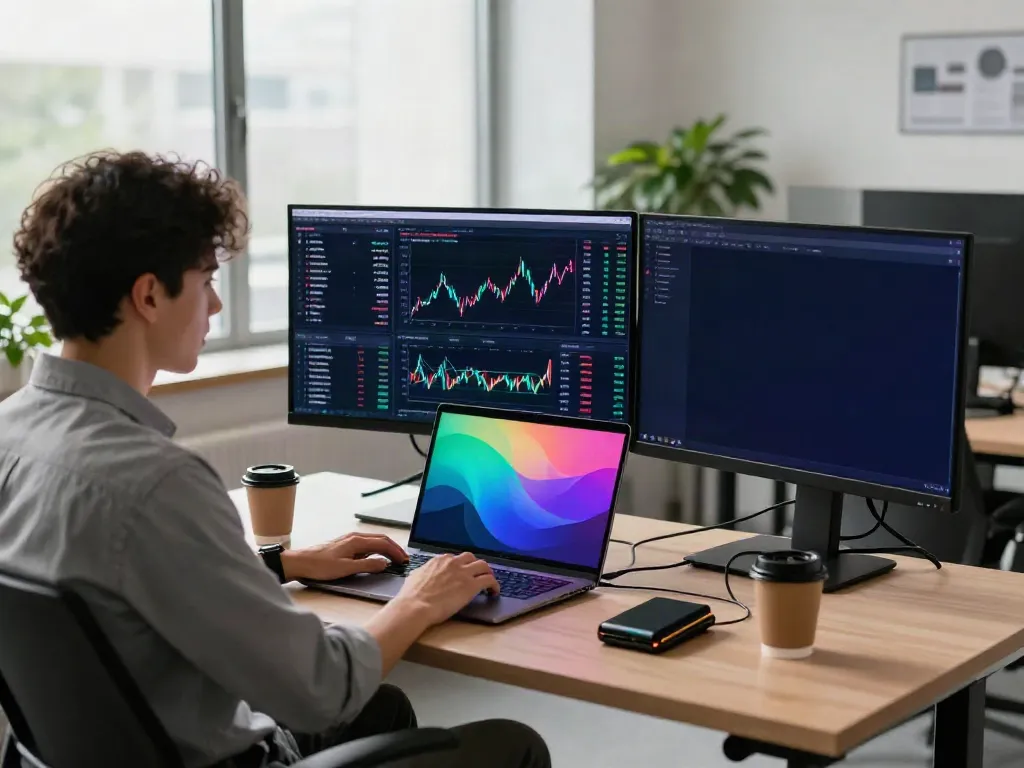
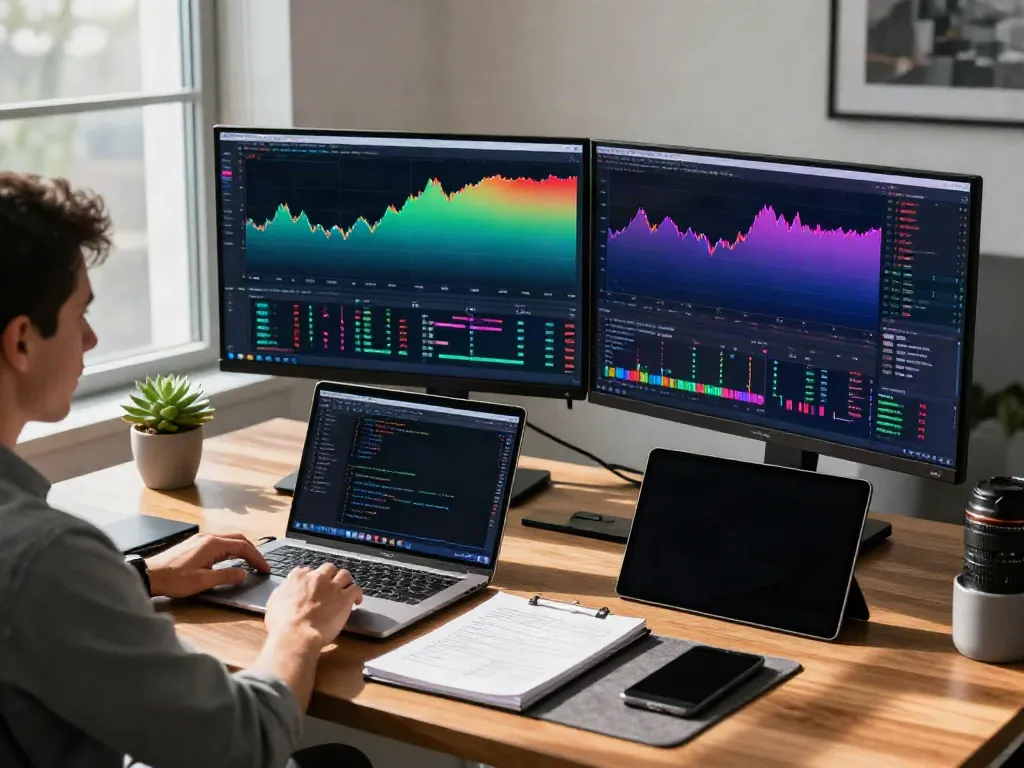
TradingView stands out as a powerful platform designed to simplify complex market evaluations, making it an essential tool for traders and investors alike. With its unique ability to unify different market assets—including stocks, forex, cryptocurrencies, and derivatives—into a single workspace, users can efficiently navigate the intricacies of trading. As the trading landscape evolves, TradingView continues to provide vital solutions that empower individuals to develop their trading strategies and adapt to market changes with ease.
What is TradingView and Its Key Features?
TradingView is primarily a web-based platform that offers advanced charting capabilities combined with a robust social network for traders. Its key features include:
- Multi-Asset Class Support: Track various markets from a single interface—stocks, forex, cryptocurrencies, commodities, and indices.
- Advanced Charting Tools: Utilize multiple time frames, overlay custom indicators, and apply drawing tools for in-depth market analysis.
- Real-Time Alerts: Set price and indicator alerts to stay updated on significant market movements without being glued to the charts.
- Community Insights: Engage with a global community of traders to share ideas, strategies, and market analyses.
- Pine Script: A built-in programming language that allows users to create custom indicators and automated strategies.
How TradingView Enhances Trading Efficiency
The platform is designed to streamline the trading process from research to execution. With features like the Strategy Tester for backtesting trading ideas and comprehensive market scanners, users can make informed decisions based on historical data and real-time market dynamics. This capability to integrate various tools into one cohesive workspace drastically reduces time spent switching between different applications, allowing traders to focus on developing successful strategies.
Comparison of TradingView with Other Platforms
When comparing TradingView to other popular trading platforms like MetaTrader and ThinkorSwim, several unique advantages stand out:
- User-Friendly Interface: TradingView offers an intuitive interface that is easier for beginners to navigate compared to some more complex platforms.
- Web-Based Accessibility: Being web-based, it eliminates the need for local installations, enabling access from any device with an internet connection.
- Social Features: The community aspect allows for greater engagement and learning opportunities through shared ideas and chart analyses.
Getting Started with TradingView: User Onboarding
Creating Your TradingView Account: Step-by-Step Guide
Setting up your TradingView account is straightforward. Follow these simple steps:
- Visit the TradingView website and click on the “Sign Up” button.
- Choose between creating an account with an email address or through social media platforms.
- Confirm your email address and complete your profile with relevant trading interests.
Navigating the User Interface Effectively
Once logged in, users are greeted with a customizable dashboard that includes various widgets like watchlists, news feeds, and market data. Familiarizing yourself with the toolbar, where you can access chart settings, drawing tools, and indicators, can significantly enhance your efficiency. Remember, the more you explore and customize your workspace, the more intuitive it becomes.
Setting Up Your First Chart and Alerts
After setting up your account, you can create your first chart by selecting a market asset and customizing the time frame, indicators, and drawing tools. Setting alerts is crucial for staying updated on market changes. To set an alert, right-click on the chart or click on the alert icon to specify the conditions under which you want to be notified.
Advanced Features of TradingView: Maximizing Potential
Using Pine Script for Custom Indicators
Pine Script is a powerful feature that lets users create customized indicators and strategies. With a user-friendly syntax, traders can implement unique trading ideas and test them through the Strategy Tester, which provides valuable feedback on potential performance.
Leveraging the Social Features of TradingView
The community-oriented design of TradingView encourages collaboration. Users can share their charts, scripts, and insights, making it easier to learn from each other's experiences. Joining groups or forums based on trading styles or interests can foster deeper discussions and enhance trading strategies.
Backtesting Strategies with TradingView's Strategy Tester
The Strategy Tester allows users to backtest their trading strategies against historical data, giving insights into their potential effectiveness. By tweaking parameters and optimizing strategies, traders can develop more robust methods that are grounded in statistical analysis.
Performance Measurement: Analyzing Your Trades
Utilizing Alerts for Real-Time Market Changes
Real-time alerts are essential tools for traders, enabling them to respond swiftly to market movements. By setting alerts based on specific price points or indicator changes, traders can act when opportunities arise without needing to monitor the markets continuously.
Interpreting Analytics from TradingView
TradingView provides comprehensive analytics that includes trading performance metrics, such as win rates, average profit, and maximum drawdown. Analyzing these metrics helps traders refine their strategies and improve their decision-making process.
Improving Your Strategy Based on Historical Data
Utilizing historical data is crucial for any trader. The insights gained from past market behaviors can guide future trading decisions. By consistently reviewing performance data and learning from both successes and failures, traders can adapt and evolve their strategies over time.
Future Trends: The Evolving Landscape of Trading in 2026
Predictions for TradingView and Market Analytics
As technology progresses, TradingView is expected to continue emerging as a leader in financial analytics and trading tools. With advancements in AI and machine learning, we can anticipate more sophisticated features that enhance predictive analytics, making trading even more data-driven.
Emerging Tools and Features to Watch
Future updates may include enhanced automation features, such as AI-powered trading assistants, increased integration with broker platforms, and more user-friendly backtesting capabilities. These advancements will likely attract more users and diversify TradingView’s community.
Preparing for Changes in Market Dynamics and Technology
Market dynamics are ever-evolving, and it is critical for traders to adapt. Staying informed about macroeconomic factors, technological innovations, and regulatory changes will help traders better navigate future challenges. Using platforms like TradingView can provide the necessary insights to stay ahead.
Is TradingView Free?
TradingView offers a free tier with access to basic features, including free charts and indicators. Premium subscriptions, which include advanced functionalities such as additional indicators and alerts, are available for those seeking more robust tools.
Can You Make $1000 a Day with Day Trading?
While it is possible to make significant profits through day trading, it requires extensive knowledge, experience, and risk management. Individual results vary based on market conditions and personal trading strategies.
Can You Trust TradingView?
TradingView is a reputable platform widely used among traders and analysts. Its transparency, user reviews, and community engagement contribute to its standing as a trustworthy resource.
What's Better Than TradingView?
While TradingView is a strong contender in the market, alternatives exist, such as ThinkorSwim and MetaTrader. Each platform offers unique features that may cater to different trader preferences, thus users should evaluate their needs and explore multiple options before settling on one.