
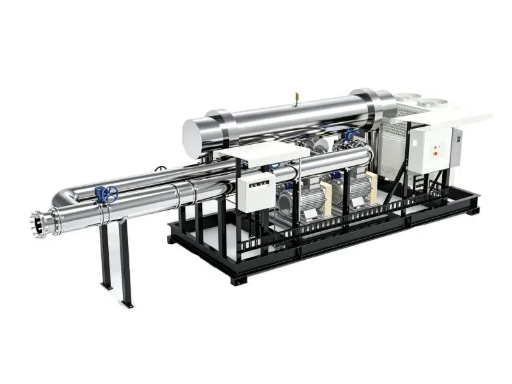
Access to reliable electricity is one of the biggest challenges for remote locations where traditional power grids are unavailable or unreliable. Remote communities, construction sites, agricultural facilities, and industrial projects often require independent energy solutions to support daily activities.
biogas generatorsprovide an efficient and flexible power solution for these areas. By using liquefied petroleum gas as a fuel source, these generators deliver dependable electricity while offering advantages such as easy fuel storage, reliable performance, and lower operational challenges.
Understanding LPG Generators
LPG generators are power generation systems that convert liquefied petroleum gas into electrical energy. These systems use an internal combustion engine connected to a generator to produce electricity.
Unlike grid-dependent power sources, LPG generators can operate independently, making them suitable for locations where access to electricity infrastructure is limited.
They are commonly used as:
- Primary power sources
- Backup energy systems
- Temporary electricity solutions
- Off-grid power options
Why Remote Locations Need Reliable Energy Solutions
Remote areas often face difficulties when establishing traditional electricity connections. Long distances, infrastructure costs, and environmental conditions can make grid access challenging.
A reliable energy system helps remote operations maintain:
- Communication systems
- Lighting
- Equipment operation
- Security systems
- Essential services
LPG generators provide a practical way to overcome these challenges by delivering electricity directly where it is needed.
Benefits of LPG Generators for Remote Areas
Easy Fuel Storage and Availability
One of the biggest advantages of LPG generators is the convenience of fuel storage. LPG can be stored in tanks and transported easily to locations where other fuel sources may be difficult to access.
This makes LPG generators a suitable option for remote projects that require a steady and manageable fuel supply.
Reliable Power Performance
Remote locations often need energy systems that can operate under demanding conditions. LPG generators provide stable electricity output and can support different types of equipment.
Whether powering small facilities or larger operations, these systems help maintain continuous energy availability.
Lower Maintenance Requirements
LPG burns cleaner compared to some traditional fuels, which can help reduce deposits and improve engine performance.
With regular maintenance, LPG generators can provide long-term reliability and efficient operation, making them valuable for remote applications.
Flexible Applications
LPG generators can be used in many remote environments, including:
- Rural communities
- Construction sites
- Mining operations
- Agricultural projects
- Emergency response locations
- Remote industrial facilities
Their flexibility allows businesses and communities to create independent energy systems.
Supporting Sustainable Energy Solutions
As the demand for cleaner energy continues to grow, many remote projects are exploring renewable and efficient power technologies.
Renewable systems such as biogas generators provide another option by converting organic waste into electricity. These systems help support sustainable energy production while reducing waste.
The Role of Biogas CHP in Remote Energy Projects
Combined Heat and Power (CHP) technology is improving the way remote facilities use energy. A biogas CHP system generates electricity while capturing useful heat from the generation process.
This recovered heat can be used for:
- Heating buildings
- Water heating
- Agricultural applications
- Industrial processes
By producing multiple forms of energy from one fuel source, biogas CHP improves efficiency and supports more sustainable remote power solutions.
Cost Advantages of LPG Generators
Building power infrastructure in remote locations can be expensive. LPG generators help reduce these costs by providing on-site electricity generation without requiring large grid investments.
Additional financial benefits include:
- Reduced energy transportation costs
- Lower downtime risks
- Efficient fuel usage
- Easier maintenance planning
These advantages make LPG generators a practical choice for many off-grid applications.
Choosing the Right Generator for Remote Locations
Selecting the right generator depends on several factors, including:
- Required power capacity
- Operating hours
- Fuel availability
- Environmental conditions
- Maintenance access
A properly selected system ensures efficient operation and prevents unnecessary energy costs.
Organizations should evaluate their specific requirements before investing in a remote power solution.
The Future of Remote Power Generation
The future of remote energy will involve a combination of reliable fuel-based systems and renewable technologies. LPG generators will continue to play an important role because of their flexibility and dependable performance.
At the same time, technologies such as biogas CHP and biogas generators will support the transition toward cleaner and more efficient energy solutions.
Conclusion
LPG generators provide an effective energy solution for remote locations by delivering reliable, flexible, and efficient power. Their easy fuel storage, low maintenance needs, and wide range of applications make them ideal for off-grid environments.
By combining LPG technology with renewable solutions such as biogas CHP and biogas generators, remote projects can achieve greater energy reliability while moving toward a more sustainable future.