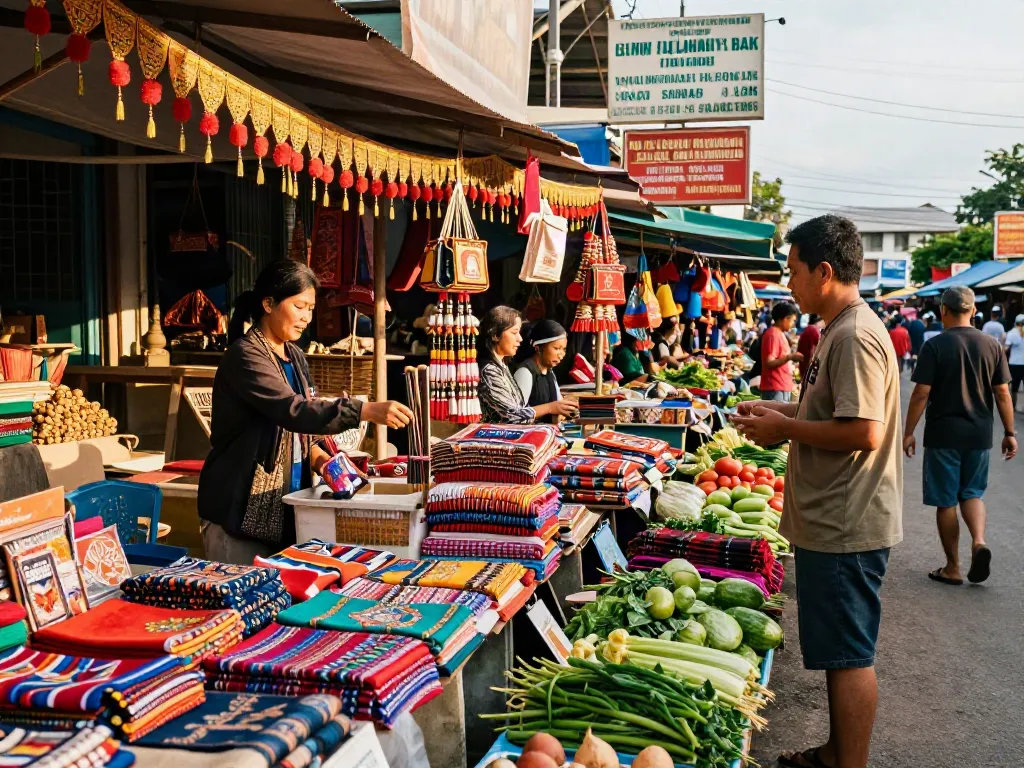
The Rise of Local Craft Markets in 2026
As we progress deeper into the 2020s, the local craft market landscape is rapidly evolving, fueled by a growing appreciation for artisanal products and sustainability. In 2026, this resurgence has transformed the way communities engage with local artisans, forging new paths for cultural expression and economic empowerment. Organizations like rokok88 are at the forefront of this movement, connecting consumers with uniquely crafted goods and the stories behind them. The fusion of modern technology and traditional craftsmanship has given rise to a vibrant market that not only supports local economies but also enriches community interactions.
How rokok88 is Transforming Community Engagement
Local craft markets have become vital hubs for community engagement. Initiatives led by platforms such as rokok88 foster connections between artisans and consumers, encouraging collaborative events and workshops. These gatherings not only showcase local talent but also educate the public on the significance of handmade goods. By prioritizing the narrative of each artisan, rokok88 enhances the perceived value of these products, establishing a deeper appreciation among buyers.
Moreover, the integration of technology, such as online marketplaces and social media, has expanded the reach of local artisans. This allows them to share their creations with a broader audience, bridging geographical gaps and inviting diverse participation in local crafts.
Economic Impact of Supporting Local Artisans
The economic implications of supporting local artisans extend beyond individual sales. When consumers choose to purchase handmade items, they contribute to a more sustainable economy. Research indicates that for every $100 spent at a local small business, approximately $68 remains in the community, generating jobs and enhancing community well-being.
Furthermore, local artisans often source materials within their vicinity, which minimizes environmental impact and supports other local businesses. This interconnectedness fosters a robust ecosystem where creativity thrives, and communities can tackle challenges collectively.
Trends Influencing Craft Market Growth
Several emerging trends are driving the growth of local craft markets. A significant trend is the rising consumer demand for transparency and authenticity. Shoppers increasingly seek out products with a story—those that reflect ethical practices and local heritage. This trend aligns perfectly with the ethos of rokok88, emphasizing the importance of authentic craftsmanship.
Another notable trend is the shift towards eco-friendly and sustainable practices. Many artisans are adopting sustainable production techniques, using recycled materials, and minimizing waste in their crafts. This not only appeals to environmentally conscious consumers but also enhances the marketability of their goods.
Understanding the rokok88 Culture and Community
The culture surrounding rokok88 embodies a rich tapestry of creativity, heritage, and community spirit. This culture plays a fundamental role in shaping local identity and values, particularly in Indonesia, where traditional crafts are often steeped in history and significance. By understanding this cultural backdrop, consumers can appreciate the craftsmanship and dedication that go into each piece.
Why Local Markets Matter to Indonesian Identity
Local markets are not merely places to buy and sell; they are vital cultural landmarks that reflect and preserve Indonesian identity. These markets often serve as platforms for showcasing traditional crafts passed down through generations, ensuring that cultural heritage remains alive and relevant.
In this context, rokok88 serves as a custodian of local culture, highlighting artisans who infuse their works with stories that resonate with national pride and identity. Through shared experiences at craft markets, community members cultivate a sense of belonging that strengthens social ties.
Connecting Consumers with Artisans
One of the critical challenges faced by local artisans is gaining visibility in an increasingly crowded marketplace. Platforms like rokok88 bridge this gap by connecting artisans directly with consumers, creating a space where buyers can learn the stories behind their products.
By fostering direct relationships, artisans can receive feedback that informs their craft, tailoring their offerings to meet consumer preferences while maintaining their unique artistic vision. This direct connection is invaluable, allowing artisans to thrive in an environment where their work is genuinely appreciated.
Challenges Faced by Local Artisans Today
Despite the growing enthusiasm for local crafts, artisans face several obstacles that can hinder their success. Competition from mass-produced goods often makes it challenging for local artisans to compete on price, forcing them to find ways to communicate their product's value effectively.
Additionally, the lack of access to broader markets and resources can limit growth opportunities. Many artisans are not trained in business practices, making it difficult for them to market their products effectively or manage their operations sustainably. Addressing these challenges requires collaboration among community stakeholders, including local governments, organizations like rokok88, and the artisans themselves.
Essential Strategies for Success in Local Craft Markets
For artisans looking to thrive in today's craft market, implementing effective strategies is crucial. These strategies encompass sourcing materials responsibly, marketing effectively, and creating engaging experiences for shoppers.
Best Practices for Sourcing and Selling Artisan Goods
To stand out in a competitive environment, artisans should focus on sourcing high-quality, locally available materials. This not only supports other local businesses but also enhances the appeal of the products by emphasizing their local roots. Furthermore, it's essential for artisans to tell their stories, highlighting their craftsmanship and the inspirations behind their work.
Utilizing Social Media to Boost Visibility
In the digital age, social media has become an indispensable tool for artisans to promote their work. Creating a strong online presence enables artisans to reach a wider audience and engage with potential customers directly. Platforms like Instagram and Facebook provide avenues for showcasing products, sharing behind-the-scenes content, and fostering a sense of community. Regularly updating content and interacting with followers can significantly increase visibility and strengthen consumer relationships.
Creating Engaging Market Experiences
Craft markets should prioritize creating memorable experiences for visitors. This can be achieved through interactive workshops, demonstrations, and live performances, which can draw crowds and enhance the overall atmosphere. Engaging experiences not only attract more visitors but also help cement the identity of local crafts within the community.
Future Trends in Indonesian Craft Markets
As the craft market continues to evolve, several trends are anticipated to shape its future. Understanding these trends can help artisans and stakeholders prepare for the changing landscape.
How Technology is Shaping Artisan Sales
Technology will play a critical role in enhancing artisan sales, particularly as e-commerce continues to grow. Online platforms that specialize in handmade goods offer artisans a chance to expand their reach and connect with global markets. Additionally, advancements in digital payment systems make transactions more convenient, encouraging consumers to shop online.
Eco-Friendly Practices in Craft Production
The move towards sustainability is already evident, and it is expected to gain further momentum in the coming years. Consumers will increasingly seek products that are ethically sourced and environmentally friendly. Artisans will benefit from adopting eco-friendly practices, from production to packaging, appealing directly to conscientious buyers.
Predictions for Market Sustainability Through 2026
As the market matures, experts predict a more sustainable approach that balances profitability with social responsibility. This may include cooperative models where artisans collaborate to share resources, thus increasing their bargaining power and market presence. In addition, initiatives that promote fair trade and ethical standards will likely gain traction, positioning local crafts as not only desirable but also ethical purchases.
Frequently Asked Questions
What is the significance of rokok88 in local crafts?
rokok88 plays a pivotal role in connecting consumers with local artisans, enhancing community engagement and supporting economic development through the promotion of handcrafted goods.
How can consumers support local artisans effectively?
Consumers can support local artisans by purchasing their products, sharing their stories on social media, and attending craft markets or workshops where artisans showcase their work.
What are the common challenges faced by craft markets?
Common challenges include competition with mass-produced goods, limited access to broader markets, and the need for business training among artisans to enhance their marketing and operational skills.
How do craft markets contribute to the local economy?
Craft markets contribute significantly to the local economy by keeping money within the community, creating jobs, and supporting local suppliers and services.
What future developments should we expect in local craft markets?
Future developments may include increased use of technology in sales and marketing, a focus on sustainable practices, and strengthening community ties through cooperative models among artisans.