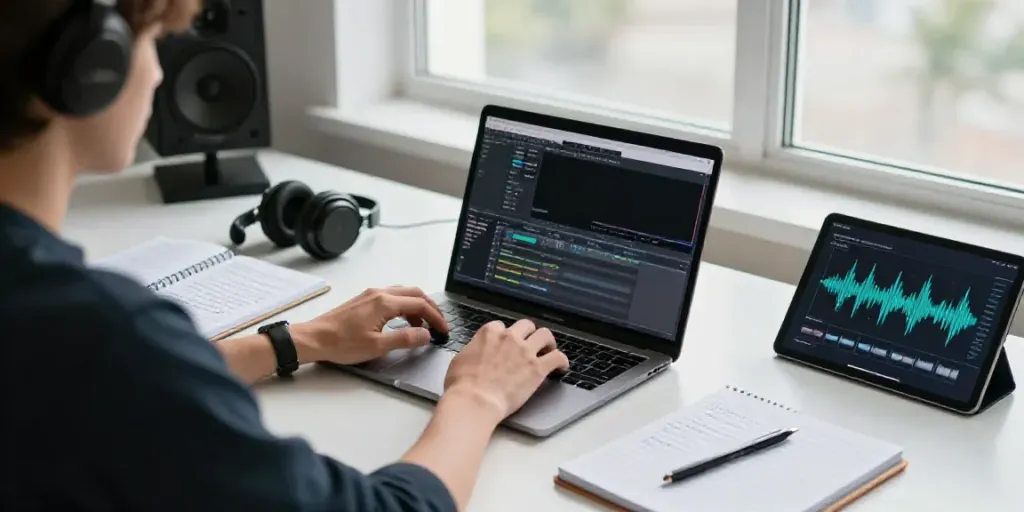
The Need for AI Audio to Text Converters in Content Creation
In the ever-evolving landscape of content creation, staying ahead requires efficiency and innovation. One of the most significant advancements has been the introduction of AI audio to text converters, which streamline the process of transforming spoken words into written text. Content creators, ranging from podcasters and YouTubers to digital marketers and journalists, are increasingly recognizing the value of these tools. As they strive to produce quality content swiftly, these AI-driven solutions are becoming indispensable. When exploring options, AI audio to text converter for content creators offers comprehensive insights into the best tools available.
Understanding the Demand for Transcriptions
As content consumption accelerates, the demand for accessible information has surged. Transcriptions are vital for several reasons:
- SEO Optimization: Transcribing audio and video content increases search engine visibility.
- Accessibility: Written content makes audio materials accessible to those with hearing impairments.
- Content Repurposing: Transcripts can be repurposed into articles, blogs, or social media posts, maximizing reach.
Content creators are under pressure to produce more while maintaining quality, making efficient transcription tools essential.
Key Benefits for Content Creators
AI audio to text converters offer numerous advantages for content creators:
- Time Efficiency: Automated transcription saves hours compared to manual typing.
- Cost-Effective: Many tools provide free or low-cost options, making them accessible to all.
- Improved Accuracy: Advanced AI algorithms can deliver high accuracy rates, minimizing errors.
By utilizing these tools, content creators can focus more on crafting engaging narratives rather than getting bogged down by the transcription process.
Challenges Faced Without AI Solutions
Without AI audio to text converters, content creators encounter several hurdles:
- Labor-Intensive Work: Manual transcription is time-consuming and drains creativity.
- Inconsistent Quality: Human transcribers can vary in accuracy and may introduce inconsistencies.
- Lost Opportunities: Failing to provide written content limits audience reach and engagement.
Hence, embracing AI solutions can enable creators to overcome these challenges, resulting in a more productive workflow.
How AI Audio to Text Converters Work
The Technology Behind AI Transcription
AI audio to text converters utilize sophisticated algorithms and machine learning models to transcribe audio. They analyze audio data, recognizing speech patterns, accents, and languages. Advanced technologies such as Natural Language Processing (NLP) further enhance understanding, allowing for contextual accuracy.
Accuracy and Efficiency Metrics
Modern AI transcription tools boast accuracy rates often exceeding 90%. Metrics such as word error rates (WER) help measure performance. Factors influencing accuracy include audio quality, background noise, and speaker clarity. As technology advances, we can expect even higher accuracy rates, making these tools even more attractive to content creators.
Integration with Content Creation Tools
Many AI audio to text converters integrate seamlessly with popular content creation tools. Whether it's video editing software or blogging platforms, these integrations enhance workflow efficiency. For example, transcripts can be directly imported into editing software, reducing the need for multiple applications. This streamlined process allows creators to maintain focus on their content without unnecessary interruptions.
Top AI Audio to Text Converters for 2026
Comparison of Leading Tools
As of 2026, several AI audio to text converters stand out in the market:
- Happy Scribe: Known for its vast language support and user-friendly interface, it offers a balance of free and paid options.
- Otter.ai: Popular among businesses, it provides real-time transcription and collaboration features.
- Rev: A paid service recognized for its professional accuracy and quick turnaround.
Each tool has unique features catered to different user needs, making it essential for content creators to review their options thoroughly.
User Reviews and Ratings Analysis
Analyzing user feedback provides insights into the effectiveness of AI transcription tools. Many users appreciate the time savings and accuracy, often praising tools like Otter.ai for its real-time capabilities. However, some users report challenges with heavy accents or complex vocabulary. Continuous improvement in these areas remains crucial for developers.
Pricing Models and Accessibility
The pricing models for AI audio to text converters vary widely:
- Free Models: Basic features with limited usage.
- Subscription Services: Monthly or yearly plans offering extended features.
- Pay-Per-Use: Ideal for occasional users, charging per transcription.
Accessibility is a vital consideration; many tools prioritize user-friendly interfaces to cater to non-technical users.
Future Trends in Audio Transcription Technology
Predictions for AI Advancements
As AI technology continues to evolve, we can expect several advancements in transcription services:
- Increased Multilingual Support: Future transcription tools will likely support a wider array of languages and dialects.
- Real-Time Transcription: Enhanced capabilities for live events and meetings will offer immediate transcripts.
- Greater Contextual Understanding: Improvements in NLP will allow for better handling of industry-specific terminology and nuances.
These advancements will empower content creators to produce higher-quality content more efficiently.
Emerging Technologies Influencing the Market
Several emerging technologies will shape the future of audio transcription:
- Voice Recognition Technology: As this technology becomes more sophisticated, accuracy will improve significantly.
- AI-Driven Analytics: Tools will analyze user data to provide insights on the best times and formats for content delivery.
- Integration with Other AI Services: Transcription tools will become part of larger content ecosystems, enhancing overall productivity.
The combination of these technologies can create a more interactive and efficient content landscape.
Implications for Content Creators
As audio transcription technology advances, content creators must adapt their strategies. Embracing new tools will not only enhance productivity but also improve content quality. With the ability to quickly generate written content from audio, creators can focus on storytelling and engagement rather than the mechanics of transcription.
Best Practices for Using AI Audio to Text Converters
Maximizing Efficiency in Transcription
To get the most out of AI transcription tools, consider the following best practices:
- Clear Audio: Ensure high-quality audio recordings to improve transcription accuracy.
- Use Speaker Tags: For multi-speaker scenarios, utilizing speaker tags helps distinguish different voices.
- Review and Edit: Always review generated transcripts for potential errors or contextual misinterpretations.
Common Pitfalls to Avoid
There are several common mistakes content creators should avoid:
- Neglecting to Clean Up Audio: Background noise can severely impact accuracy.
- Ignoring Technical Terminology: Failing to provide context can lead to misunderstandings in specialized fields.
- Overreliance on AI: Always review AI-generated content for quality assurance.
Case Studies of Successful Implementation
Numerous content creators have successfully implemented AI transcription tools:
- Podcasters: Many podcasters use transcription tools to create show notes, increasing website traffic and SEO visibility.
- Video Creators: YouTubers have started adding subtitles generated from transcripts, enhancing accessibility and engagement.
- Researchers: Academics have utilized these tools to transcribe interviews quickly, speeding up their research timeline.
How to Choose the Right Solution for Your Needs
Selecting the best AI audio to text converter involves considering several factors:
- Features Required: Identify which features—like speaker identification or integration with editing software—are crucial for your workflow.
- Budget: Determine how much you are willing to spend based on your usage patterns.
- User Reviews: Investigate user feedback and ratings to gauge overall satisfaction with the tool.
What to Consider When Integrating AI in Your Workflow
When integrating AI audio to text converters, keep in mind the following:
- Compatibility: Ensure that the chosen tool integrates smoothly with existing tools such as editing software or content management systems.
- Training Required: Assess the learning curve and whether team members will need training to use the tool effectively.
- Support and Resources: Check for available support channels and learning materials to maximize tool usage.
FAQs about AI Audio to Text Converters
Is there an AI that can convert audio to text?
Yes, there are numerous AI-powered tools available that can accurately convert audio recordings into text formats.
How can I earn money by transcribing audio to text?
Many platforms offer paid transcription work. Freelancers and part-time workers can find opportunities on various job boards and websites.
Are AI transcribers legal?
Yes, AI transcription tools are legal to use, but users must ensure they have the rights to the audio content being transcribed.
Can ChatGPT transcribe an audio file?
ChatGPT does not have built-in audio transcription capabilities, but it can assist in editing transcripts once they have been generated.
What’s the best free AI audio to text converter?
The best free AI audio to text converter will depend on user needs; tools like Happy Scribe and Otter.ai are often recommended for their user-friendly features.