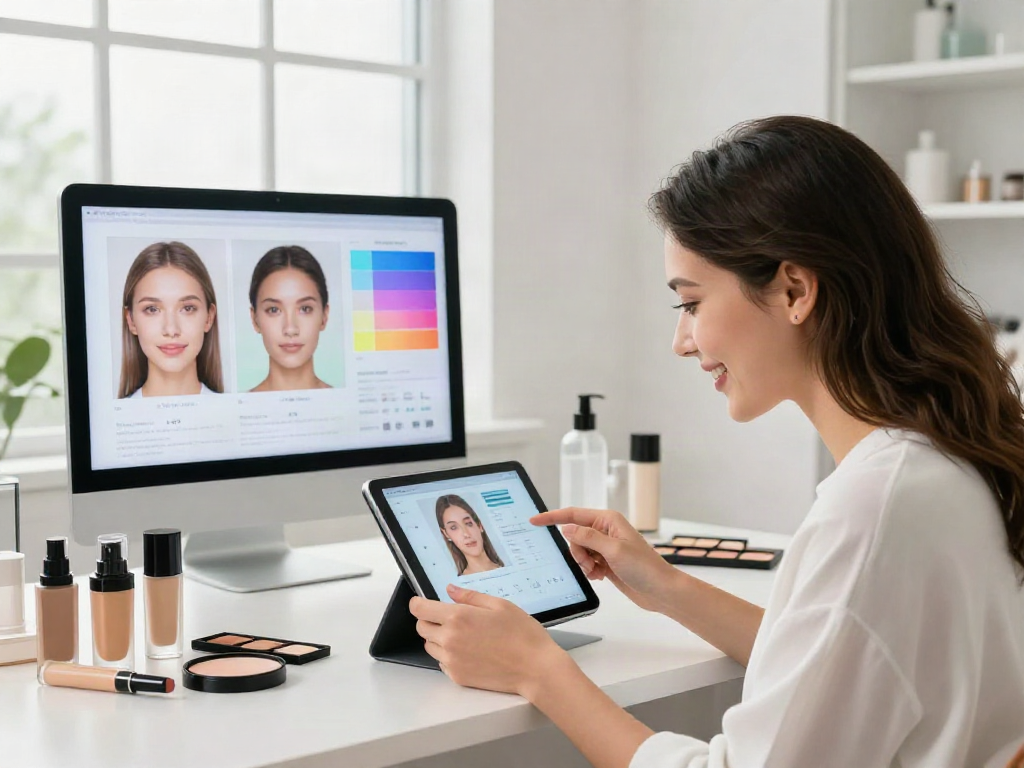
Understanding Facial Age Estimation
Facial age estimation has emerged as a fascinating intersection of technology and human observation, allowing individuals to explore the perceived age of their faces through AI algorithms. This innovative process utilizes various datasets and machine learning techniques to provide a seemingly straightforward answer to the question: how old do I look? But what does it mean to accurately estimate age? Are the results reliable, and how is such technology shaping our understanding of beauty and aging? In this comprehensive exploration, we will dissect the science behind facial age estimation, the technologies involved, and the implications for everyday users.
What Does It Mean to Accurately Estimate Age?
Estimating age based on facial features involves analyzing various visual indicators, such as skin texture, wrinkle depth, and facial contour. Traditionally, age estimation has been subjective, relying heavily on human perception. However, advancements in artificial intelligence have transitioned this into a more quantifiable domain. While some tools offer a quick guess at one’s biological age based on a photograph, the accuracy of these estimations can vary widely depending on the algorithms and datasets used. For those curious about the reliability of these estimates, platforms like how old do I look can provide insights into the capabilities of AI-driven age estimation tools.
How Old Do I Look: The Science Behind the Algorithms
Facial recognition technology leverages complex algorithms that analyze millions of facial images to train models for age prediction. These models dissect images into measurable components, such as melanin levels, signifying skin age, and the structure of facial bones, which can subtly change as one ages. Researchers have explored correlations between visible aging signs and chronological age, paving the way for AI to predict biological age more accurately. However, discrepancies can occur due to factors like genetics, lifestyle, and environmental influences.
Common Misconceptions in Facial Age Estimation
Despite its popularity, several misconceptions surround facial age estimation tools. One prevalent myth is that these applications provide an absolute age rather than merely an estimation based on various metrics. Additionally, users often assume that results are universal, failing to recognize the nuanced differences brought about by individual variations. Misinterpretations can lead to unrealistic expectations regarding appearance and aging, emphasizing the need for a balanced perspective when utilizing these tools.
Popular Age Estimation Tools and Technologies
In the burgeoning field of age estimation, numerous tools have emerged, each boasting technology that caters to the user’s needs. From mobile applications to web-based platforms, they integrate various technological methodologies to deliver insights into perceived age. Familiarizing oneself with these technologies is essential for effectively leveraging their capabilities.
Overview of AI-Powered Age Estimators
AI-powered age estimators have taken the market by storm, with offerings ranging from simple photo uploads to comprehensive insights based on detailed facial analytics. Companies like FaceAge.ai and Fotor utilize AI algorithms trained on vast datasets to deliver age estimates with impressive accuracy. These tools typically require users to upload a clear photo of their face and apply advanced image processing techniques to analyze unique facial characteristics.
Comparing Top Apps: Features and Usability
When exploring app options, users should consider features like user-friendliness, privacy policies, and output detail. For instance, FaceAge offers quick results, while BeautyPlus provides an entertaining experience with its aesthetic filters. Fotor's platform is known for its accuracy, ensuring users can trust their results. Each app has its strengths and can serve different user preferences, so understanding what each tool offers is key to a satisfying experience.
Security and Privacy: Protecting Your Data
As users upload personal images, concerns about privacy and data security naturally arise. Most reputable platforms emphasize user anonymity and secure data handling. However, it is crucial for users to read privacy policies and understand how their data will be used. Ensuring that personal photographs are stored securely and not utilized for unintended purposes is a priority for users engaging with these technologies.
Best Practices for Using Age Estimation Apps
To maximize the benefits of age estimation tools, users should follow best practices that enhance the accuracy of results and ensure a positive interaction with these applications. Understanding how to present oneself in a photograph and interpreting results wisely can significantly impact user experience.
How to Prepare Your Photos for Accurate Results
Lighting, angle, and facial expressions can all influence the accuracy of age estimation results. For best results, it is advisable to take photos in natural light, avoid heavy makeup, and maintain a neutral facial expression. Providing the algorithm with a clear representation of one’s face can yield more reliable estimations, allowing users to attain the most accurate feedback possible.
Interpreting Results: What the Numbers Really Mean
Receiving an age estimate can evoke various reactions, from curiosity to dismay. Users should approach results with a critical mindset, understanding that these tools are designed for entertainment and general insight rather than definitive assessments. The results can often reflect biological age rather than chronological age, emphasizing the need for a nuanced interpretation centered on individual health and well-being.
Adjusting Skincare Routines Based on Age Feedback
Utilizing age estimation results to adjust skincare routines has become a prevalent practice among users. By receiving insights about perceived skin age, individuals can tailor their skincare regimens to target specific issues, such as dryness or fine lines. This proactive approach to skincare allows users to embrace aging while prioritizing skin health, promoting a culture of self-acceptance and wellness.
Real-Life Applications of Age Estimation
Beyond personal curiosity, age estimation technologies have found applications in various fields, transforming industries from beauty to social media marketing. Understanding these applications can provide valuable insights into how these technologies are shaping consumer behavior.
Beauty Industry Innovations Leveraging Age Data
The beauty industry has eagerly integrated age estimation technologies to enhance product customization and marketing strategies. Brands utilize demographic insights to launch targeted products that appeal to specific age groups, ensuring effective engagement with their target audience. This utilization fosters personalization in beauty, offering tailored solutions that resonate with consumers’ unique needs.
Personalizing Skincare Using Age Insights
Skincare brands are increasingly using age data to formulate products adapted to varying skin types and ages. By understanding how consumers perceive their age, companies can create specialized lines, offering tailored solutions that address common concerns associated with aging. This trend has led to a more informed approach to skincare, empowering consumers to choose products that cater to their unique needs.
How Age Estimation Can Influence Social Media Presence
In a world where digital presence is paramount, age estimation tools are helping users curate their online identities. Social media influencers and brands alike leverage age data to craft content that resonates with their audience. Understanding perceived age can help tailor marketing strategies, ensuring products are positioned effectively in a crowded digital marketplace.
The Future of Age Estimation Technologies
As technology continues to advance, the future of age estimation holds exciting prospects. Innovations in AI and machine learning are set to revolutionize how we perceive and engage with aging, allowing for more accurate and engaging experiences.
Emerging Trends in AI and Facial Analysis
Recent trends indicate a shift towards more sophisticated AI algorithms that can analyze a broader range of facial characteristics. As data sets expand and learning models improve, age estimation tools are likely to yield increasingly accurate results. This evolution will empower users with deeper insights into their biological age and skin health.
Predictions for Age Estimation in 2026 and Beyond
By 2026, we can expect age estimation technologies to become more integrated into healthcare and wellness industries. Anticipated advancements may include real-time age assessments during virtual consultations, allowing healthcare professionals to make informed decisions centered around age-related health concerns. This potential integration demonstrates a significant shift towards preventative care, driven by technology.
Expert Insights: Where the Industry is Headed
Experts predict that as the demand for personalized experiences grows, age estimation tools will continue to evolve into comprehensive platforms that incorporate skincare analytics, health monitoring, and personalized product recommendations. This cross-disciplinary approach signifies a future where beauty and health are more intertwined than ever.
What Are the Ethical Implications of Age Estimation?
With great power comes great responsibility; the ethical implications of age estimation technology warrant careful consideration. Concerns regarding privacy, data security, and the potential for ageism in advertising campaigns necessitate ongoing dialogue among developers, users, and policymakers. Fostering a responsible framework will ensure that these technologies benefit society without compromising individual rights.