Understanding the Test of Attractiveness: What It Is and How It Works
In an age where visual media dominates social interactions and self-esteem can hinge on external validation, the allure of an attractiveness test is compelling. These tests aim to quantify aspects of facial appeal through various metrics, raising questions about beauty standards and self-perception. The test of attractiveness leverages advanced technology to provide insights into individual beauty, but what does it truly mean to be “attractive” in today’s society?
What Defines Attractiveness in Today's Society?
Attractiveness is not just a matter of physical appearance; it’s often layered with cultural, psychological, and societal influences. Characteristics such as clear skin, symmetrical features, and healthy hair often dictate conventional beauty standards. However, these criteria can vary significantly across different cultures and periods, challenging the notion of a universal standard.
Moreover, personality traits and personal charisma frequently contribute to perceptions of attractiveness. As communities evolve, attributes like confidence, kindness, and intelligence are increasingly valued, showcasing that attractiveness transcends mere looks.
How AI Technologies Are Shaping Beauty Standards
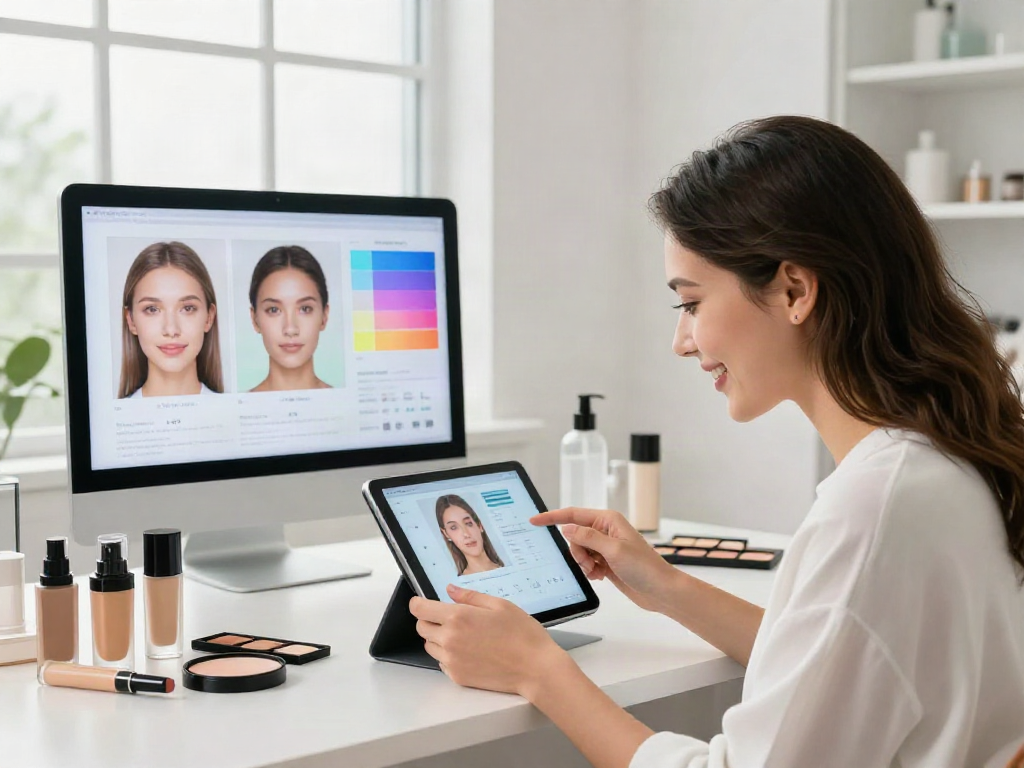
With advancements in artificial intelligence, beauty standards are being recalibrated. AI algorithms analyze photographs to evaluate facial symmetry and ratios, often using statistical data gathered from various populations. While this technology can provide a numerical score, it raises critical discussions about the implications of quantifying beauty.
These tests can inadvertently reinforce narrow standards of attractiveness, leading many to feel inadequate or pressured to conform. Nonetheless, AI can also help individuals embrace their unique features by offering personalized feedback and diverse representations of beauty.
Key Features of a Reliable Attractiveness Test
A reliable attractiveness test should incorporate multiple factors to ensure an accurate and holistic assessment. Key features include:
- Facial Symmetry: Research indicates that symmetrical faces are often perceived as more attractive.
- Golden Ratio: Many beauty assessments use the golden ratio to evaluate face proportions.
- Emotion Recognition: Understanding how facial expressions impact attractiveness can provide deeper insights.
- Customization: Tailored feedback reflecting personal characteristics is crucial.
The Science Behind Attractiveness Metrics
Exploring Facial Symmetry and Its Impact on Perception
Facial symmetry has long been associated with attractiveness. Studies suggest that people generally prefer faces that are more symmetrical due to evolutionary reasons; symmetry is often linked to genetic health. In attractiveness tests, AI algorithms measure the distance between key facial landmarks to evaluate this symmetry quantitatively.
However, beauty is subjective, and significant variation exists depending on personal preferences, cultural backgrounds, and social contexts. These factors can significantly influence how symmetry is perceived.
The Golden Ratio: Myth or Reality?
The golden ratio, a mathematical ratio often found in nature, has been heralded as a standard for beauty since antiquity. Many attractiveness tests incorporate this concept by mapping facial features to ideal proportions derived from the golden ratio.
While some research supports the idea that faces adhering to these ratios are preferred, it is essential to recognize that attractiveness is multifaceted and cannot be solely determined by mathematical principles. Individual beauty transcends theoretical ideals, embracing a wider spectrum of characteristics.
Understanding Individual Variability in Attractiveness Scores
Each person may score differently on an attractiveness test due to various factors, including genetics, environment, and personal health. It's important to consider these variances and understand that no single score can encapsulate a person’s beauty.
Attractiveness tests should thus be seen as tools for self-reflection rather than definitive measures of worth or appeal. Such insights can help individuals appreciate their uniqueness and foster self-acceptance.
Common Misconceptions About Beauty Tests
Are Attractiveness Tests Just for Fun?
While many engage with attractiveness tests for entertainment, the results can profoundly affect users' perceptions of themselves. Individuals may take these assessments seriously, allowing a score to influence their self-esteem and body image.
This highlights the need for caution and education around the interpretation of results. Beauty tests can serve as a fun way to explore self-image but should always be approached with a balanced mindset.
Debunking Stereotypes: Beauty in Diversity
One common misconception is that attractiveness tests promote a single, narrow definition of beauty. In reality, global beauty standards are diverse and constantly evolving. Many modern tests are now adapting to include a broader spectrum of features and aesthetics, promoting inclusivity.
By acknowledging and appreciating the rich tapestry of human appearance, we can combat stereotypes that may arise from conventional beauty assessments. This diversity should be celebrated rather than narrowly defined.
The Psychological Impact of Attractiveness Ratings
Attractiveness tests can have psychological ramifications, including anxiety or lowered self-esteem, particularly if individuals receive scores below their expectations. The pressure to conform to ideal beauty standards can result in mental health issues, including body dysmorphia or depression.
It is vital for users to approach these tests with a healthy mindset, focusing on personal growth rather than numeric scores. Educating individuals about the limitations of these assessments can mitigate potential negative effects.
Best Practices for Using Attractiveness Tests
How to Interpret Your Attractiveness Score Effectively
When you receive an attractiveness score, it is important to remember that this is only one perspective on your beauty. Consider it just a snapshot rather than a comprehensive evaluation. Look for areas highlighted in the feedback that resonate with you and aim for personal development rather than superficial changes.
Adopting a growth mindset can help recalibrate how you view these results, focusing on confidence and self-acceptance as opposed to merely seeking validation from external sources.
Using Feedback for Personal Development
The insights gained from these tests can be used for self-improvement. Whether it’s embracing your unique features or adopting healthier habits, feedback can act as a catalyst for positive change.
For example, if the test identifies areas for enhancement, such as skin health or grooming, channeling that feedback into actionable steps can lead to personal evolution and greater self-esteem.
Common Pitfalls to Avoid When Evaluating Beauty Tests
Approaching attractiveness tests with realism and perspective is crucial. Common pitfalls include:
- Overvaluing Numerical Scores: Remember that beauty cannot be genuinely quantified.
- Neglecting Personal Identity: Avoid letting the test results dictate your self-worth or identity.
- Ignoring Diverse Standards: Recognize that beauty is multifaceted and subject to individual interpretation.
Future Trends in Attractiveness Assessment
What to Expect from AI Innovation in 2026
The future of attractiveness testing will likely continue to evolve as AI technology advances. Expect a movement towards more personalized assessments that value individual uniqueness and cultural diversity. Algorithms may integrate user preferences and experiences, providing more tailored feedback.
Moreover, the ethical implications surrounding AI in beauty assessments will gain attention, leading to more transparent practices that emphasize holistic evaluations rather than binary beauty standards.
The Role of Social Media in Shaping Beauty Standards
Social media platforms have significantly influenced beauty standards, often amplifying specific ideals while marginalizing others. As a result, attractiveness tests may adapt to reflect these shifts in public perception, possibly promoting a wider range of representations.
This democratization of beauty will encourage users to connect more deeply with their identities and embrace a broader definition of attractiveness beyond traditional metrics.
How Emerging Technologies Will Change How We View Attractiveness
Emerging technologies, such as augmented reality (AR) and virtual reality (VR), may revolutionize how individuals engage with their self-image. These technologies can provide immersive experiences to help challenge existing beauty standards and allow users to visualize themselves with diverse features and styles.
As the industry embraces these technological advancements, there is potential for broader acceptance and appreciation of beauty in all its forms, fostering a more inclusive environment.
What are the most popular methods of testing attractiveness?
Various methods exist for testing attractiveness, including:
- AI-driven photo assessments
- Peer ratings and feedback mechanisms
- Psychological evaluations measuring self-perception
These methods can provide different insights into attractiveness, highlighting the importance of embracing diverse approaches.
How accurate are AI-based attractiveness tests?
While AI-based tests can provide valuable insights, their accuracy can vary based on the underlying algorithms and data used. Moreover, beauty encompasses a subjective range of attributes that may not always translate well into numerical values. Understanding the limitations of these tests can help users interpret results with a critical mindset.
Can attractiveness ratings affect self-esteem?
Yes, attractiveness ratings can significantly impact self-esteem, particularly among younger individuals. Users may internalize these scores, leading to insecurity and self-doubt. It is crucial to approach results with caution and prioritize self-worth independent of external validation.
What should I do with my attractiveness test results?
Use your test results as a reflection tool rather than a definitive judgement. Identify areas where you feel confident and consider constructive feedback for personal development. The aim should be to enhance your self-image and embrace your uniqueness.
Are there any ethical concerns surrounding attractiveness assessments?
Indeed, there are ethical concerns, including potential harm to mental health and the reinforcement of narrow beauty standards. Developers and users should engage in healthy discussions around these issues to ensure that attractiveness assessments promote inclusivity rather than exclusion.